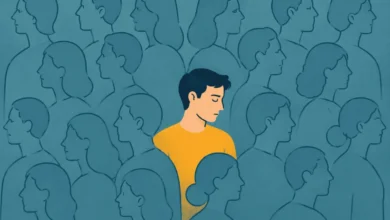

Codependency, defined by author Melody Beattie as a condition where a person allows another’s behavior to affect them and becomes obsessed with controlling that behavior, is a cycle that can be broken. One individual’s story illustrates the journey from insecurity to recovery.
From childhood, this person struggled with low self-worth. Despite having friends and a supportive family, they constantly sought approval from others, believing that outside opinions were the only true measure of their value. As a teenager, their parents’ marriage fell apart, leaving them feeling isolated. This trauma, combined with typical teenage struggles, led to a deep unhappiness. They tried to counter these feelings by seeking validation from others, and when they didn’t get it, they felt like a failure.
This pattern continued into adulthood. At age 19, they entered a relationship with a man ten years older, who was a cocaine addict. The relationship was unhealthy, involving drinking, gambling, and emotional abuse. He criticized their appearance and weight, and compared them to his ex-girlfriends. The individual became obsessed, controlling, and jealous, neglecting their health and losing 30 pounds. They developed severe anxiety and panic attacks before finding the courage to leave after ten months.
The unhealthy habits carried into the next two relationships. A four-year relationship with a person dependent on alcohol brought back insecurities and controlling behavior. The couple experienced alternating periods of love and violent fights. After that ended, they sought comfort in another unavailable partner. This pattern, they realized, is typical for codependent people, who seek what is familiar, not what is good for them.
After nearly a decade of codependent relationships, they decided to make a change. They got a small apartment and started recovery. The first days alone were difficult, but they asked for help. They read Melody Beattie’s book Codependent No More, which helped them understand their behaviors. They identified with a codependency checklist, which included questions like: Do you feel responsible for other people’s feelings and actions? Do you feel compelled to solve their problems? Do you feel empty without someone to take care of? Do you stay in relationships that don’t work and tolerate abuse?
They joined an online support group for family members of addicts and alcoholics, where they could share their story without judgment. Through this process, they learned several key lessons. First, without change, nothing changes. The cycle of codependency can only be overcome by building a loving relationship with yourself. Second, you cannot control others, and it is not your job to do so. Trying to control others only distracts from your own emptiness. Third, love and obsession are not the same. Healthy love requires both partners to have separate identities and time apart. Finally, life is not an emergency. They learned to prioritize self-care, such as taking bubble baths and listening to lectures, to heal.
Codependency often stems from low self-worth and a need for external validation. Breaking the cycle requires self-awareness, support, and a commitment to change. By focusing on their own needs and letting go of the need to control others, individuals can form healthier relationships and find lasting contentment.