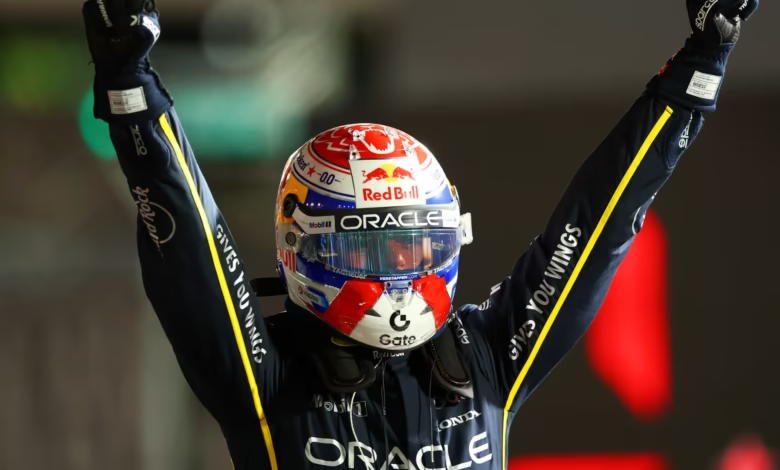
Max Verstappen conquistou uma vitória impressionante no Grande Prêmio de Las Vegas, diminuindo a vantagem de Lando Norris, que agora é de 42 pontos na tabela de classificação. Oscar Piastri terminou em quarto lugar. Verstappen teve um bom desempenho na corrida, que teve 50 voltas, e assumiu o controle logo nas primeiras curvas após ultrapassar Norris, que havia largado da pole position.
Norris, ao tentar se defender de Verstappen, saiu da pista na primeira curva, o que lhe custou a liderança. Ele também acabou perdendo a posição para George Russell, tendo que lutar para retomar o terceiro lugar apenas nas últimas voltas. Norris enfrentou problemas mecânicos e terminou a corrida quase 21 segundos atrás de Verstappen.
Russell conseguiu garantir o terceiro lugar no pódio, apesar de ter enfrentado dificuldades com a direção de seu carro. Ele quase perdeu a posição para Kimi Antonelli, que fez uma corrida bastante competitiva, saindo do 17º lugar para terminar em quarto antes de ser rebaixado para quinto por conta de uma penalização de cinco segundos por uma falsa largada. O jovem italiano conseguiu segurar Piastri e Charles Leclerc nas fases finais, mas a penalidade afetou sua classificação final.
Piastri, que chegou a estar em sétimo lugar devido a um acidente na primeira volta, lutou para se recuperar e cruzou a linha de chegada em quarto. Leclerc terminou em sexto, seguido por Carlos Sainz na sétima posição, enquanto Nico Hulkenberg e Lewis Hamilton completaram o top 10, com Hamilton garantindo um ponto após largar na última posição.
Esteban Ocon e Ollie Bearman, da Haas, não conseguiram marcar pontos, enquanto Fernando Alonso acabou em 13º. Yuki Tsunoda e Pierre Gasly também tiveram problemas, Gasly se envolvendo em um acidente logo na primeira volta. Alex Albon foi forçado a abandonar a corrida após uma colisão.
A corrida em Las Vegas foi marcada por muitos momentos emocionantes desde o início. Norris começou bem, mas a manobra de Verstappen na primeira curva acabou sendo decisiva. A corrida teve várias trocas de posição e disputas intensas, principalmente entre os jovens pilotos.
Verstappen se destacou, conseguindo manter um ritmo controlado e ampliando sua vantagem ao longo da corrida. Sua equipe elogiou a estratégia e a adaptação do carro aos pneus, o que permitiu que ele mantivesse o controle da corrida.
A próxima corrida da temporada da Fórmula 1 ocorrerá em Lusail, onde será realizada o Grande Prêmio do Qatar. A competição seguirá em uma sequência intensa com várias corridas em um curto período.