
For many years, a writer describes living under the influence of what she calls “the cult of people.” This is not a religious group or a formal organization, but a subtle and pervasive system of social rules. She explains that most people are born into this cult, where the main goal is to gain approval and belong by following the expectations of others.
The writer says she spent 43 years as a devoted member of this cult. It involved organizing her life around the needs and opinions of others. She describes it as a constant performance of connection, seeking validation from outside and making herself small enough to be accepted. The unspoken agreement, she says, is that you earn your place by following the rules, and in return, you get to belong.
Leaving this cult began nearly seven years ago. It started as a byproduct of difficult life events, including the pandemic, raising a child with special needs, and therapy. She began to see how much she had been reaching, earning, and contorting herself to stay connected to people who needed her to be manageable. The process of leaving was not easy. She describes seven years of tears, loneliness, anxiety, and heartbreak. Her social circle shrank, and she faced the painful question of whether she had caused this isolation.
The writer compares this process to deprogramming from a real cult. It requires distance from the group that demanded self-betrayal. When she started creating this distance, she became quieter and stopped performing. She declined invitations she had accepted out of obligation. This withdrawal was threatening to the people still inside the cult, as the cult needs participation to survive. However, she also began to see the implicit agreements she had been making her whole life, trading pieces of herself for belonging.
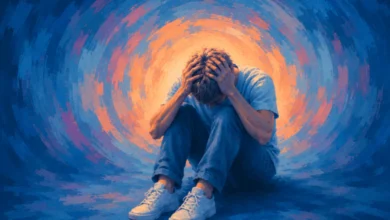
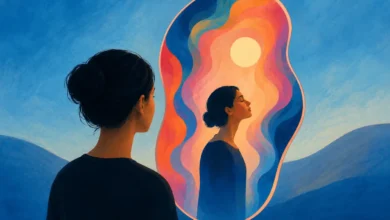
She notes that leaving the cult of people does not feel like freedom right away. It feels like loss and loneliness. But underneath that, something else grows: a quieter, steadier self that is not performing. She describes this as a “both/and” process, where she is breaking down and breaking through at the same time. She is sad and longing, but also knows she deserves better.
The writer says she is not fully deprogrammed and does not know if that is even the goal. She still gets lonely and feels the pull to earn her way back into relationships that cost her too much. But she has become more comfortable with sadness and has learned to sit with herself. She concludes that the aloneness that felt like abandonment is also the open road. When you stop organizing your life around what the group can tolerate, you find out what you actually want and who you actually are.