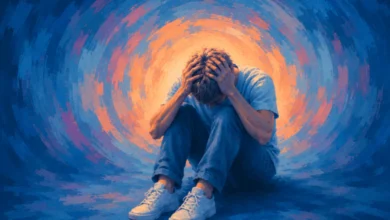

Ultra-independence is a coping mechanism people develop when they have learned it is not safe to trust love or when they are terrified of losing themselves in another person, according to the account of one woman who struggled with this pattern for decades. The individual, writing about her experience, says that human beings are not meant to go it alone. People are wounded in relationships and heal in relationships.
She describes feeling as if she had to do everything on her own. Asking for and receiving help was difficult for her because of the fear of being let down. She recalls hearing the expression that ultra-independence may be a trauma response and recognizing it in herself.
For many years she lived this way, seeing it as a survival strategy that kept her safe but also left her feeling deeply lonely. She experienced constant anxiety and physical exhaustion from the belief that she had to handle everything alone.
According to her account, ultra-independence often results from a lack of trust in others or from feeling unworthy of love and support. Some people believe that by denying support and doing everything themselves, they will earn acceptance by not being a burden. Maintaining connections and receiving support, she notes, are basic human needs. Claiming to need nobody is often a protective response to avoid hurt, abuse, criticism, disappointment, or rejection.
She explains that even considering the possibility of wanting or receiving support can trigger an internal warning that it is not safe. People may think that asking for anything makes them weak or too needy, which they associate with codependency. But she says human beings are not meant to do everything on their own; there is such a thing as healthy interdependence.
Ultra-independence may also function as an extreme unspoken boundary, she writes. Learning to set healthy boundaries can help people feel safe in situations where they feared losing themselves.
Sometimes the need for ultra-independence comes from not feeling safe being vulnerable. Letting people in may expose flaws and insecurities or trigger unresolved traumas and wounds. Deep shame can also drive people to avoid connection, fearing that others will see that shame.
She notes that one of the hardest things to accept is that while people have been hurt in relationships, supportive relationships can also bring healing and safety. That idea was difficult for her because in her own relationships she experienced criticism, rejection, and being screamed at for having natural human feelings and needs.
Part of her wanted support and connection, but another part was afraid. As a child, her father became angry when she asked for anything. She felt alone and believed she had to do everything on her own while watching others receive support from family and friends.
For her, ultra-independence eventually led to denying and suppressing her needs and feelings. By age fifteen she became anorexic and struggled with depression, anxiety, and self-harm for more than twenty-three years.
At age twenty she let her guard down and entered a relationship with a boyfriend who bought her gifts but attached strings. If she did not do what he wanted, he would take back the gifts. He became obsessed, waited outside her house when she would not talk to him, and drew her back with gifts and seductive words. After breaking up with him, she made a vow never to receive anything from anyone again.
She later had a chance to heal that vow while on a trip with a friend in Palm Springs. They played slot machines, and he put in $20. She told him it was his money if they won. They won $200 on the first spin. He told her to cash out, saying she won. She chased him around the casino trying to return the money because she believed that receiving meant owing and being owned.
The friend understood her struggle. He told her he did not want anything in return and that giving to friends and family made him happy. That experience helped change her view.
Her healing journey began in earnest at age forty when she started reconnecting with herself, her needs, and her feelings, and began healing the trauma she carried. She learned how to ask for support. At first, some people got angry, but others were happy to fulfill her requests.
Instead of blaming herself for the belief that she had to do everything alone, she made peace with the part of her that felt it did not need anybody. By listening to its fears, she understood why it thought she needed protecting. It revealed the pain of being rejected, hurt, and screamed at for having human feelings and needs.
Listening to that part of herself with compassion, she acknowledged and validated its fear and pain. She thanked it and let it know it was now loved and safe. She asked it what it really wanted. It answered that it wanted true connections, to feel safe with others, and to receive support, but it was afraid.
That younger part of her was stuck in perspectives from childhood wounding and from the unhealthy relationship. By giving that part a chance to speak, she was able to help it gain a new understanding and feel loved and safe. She also learned to assess who is truly safe instead of assuming no one is safe based on outdated programming from past traumas.
She acknowledges that her ultra-independence helped her heal from years of anorexia, depression, and anxiety. After twenty-three years of hospitalizations, treatment centers, and traditional therapy that did not work, she took healing into her own hands. But being in a loving and supportive environment with people who did not try to fix, control, or save her was also helpful.
No one is meant to go through life alone, she writes, but being alone can feel comforting when fear of being hurt by others is strong. Forcing oneself to ask for and receive support is not the answer, especially when afraid. The first step is to create a loving relationship with oneself and understand where the need for ultra-independence comes from.
She suggests asking the question: Why is it not okay for me to receive support? Sit with that part, allow it to show its beliefs, and listen with compassion. Then ask what it really wants and needs.
Receiving support does not mean total dependence on others, which would only lead to frustration and disappointment. Learning independence and meeting one’s own needs is also important. It is not an either-or choice.
Learning how to connect with feelings and needs and how to communicate them and make requests is part of the process. For example, if going through a challenge, one might say: I am having a hard time right now and would really like someone to talk to who will just listen without trying to change me or the situation. Would you be willing to do that?